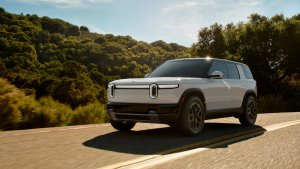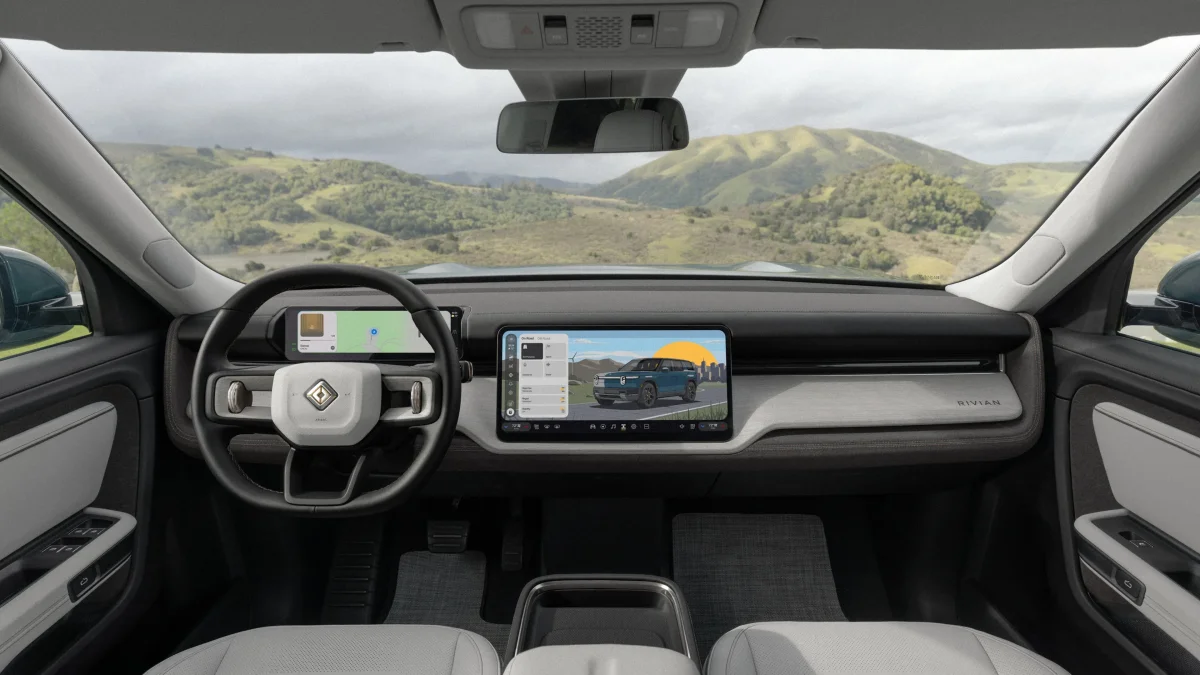

Rivian and Uber have just announced a massive partnership to put driverless robotaxis on the road. In a move that sent shockwaves through the EV and tech sectors, Uber has committed to investing up to $1.25 billion in Rivian to deploy a fleet of up to 50,000 fully autonomous R2 robotaxis.
The deal, announced on Thursday, marks a major step toward making driverless rides a mainstream reality. The collaboration aims to put thousands of unsupervised R2 vehicles on the road across 25 cities in the U.S., Canada, and Europe by the end of 2031.
A Billion-Dollar Bet on Autonomy
The scale of this agreement is staggering. Uber and its fleet partners will initially purchase 10,000 autonomous R2 units, with an option to buy 40,000 more starting in 2030. These vehicles will be available exclusively on the Uber platform. Commercial deployments are slated to kick off in San Francisco and Miami in 2028 before expanding globally.
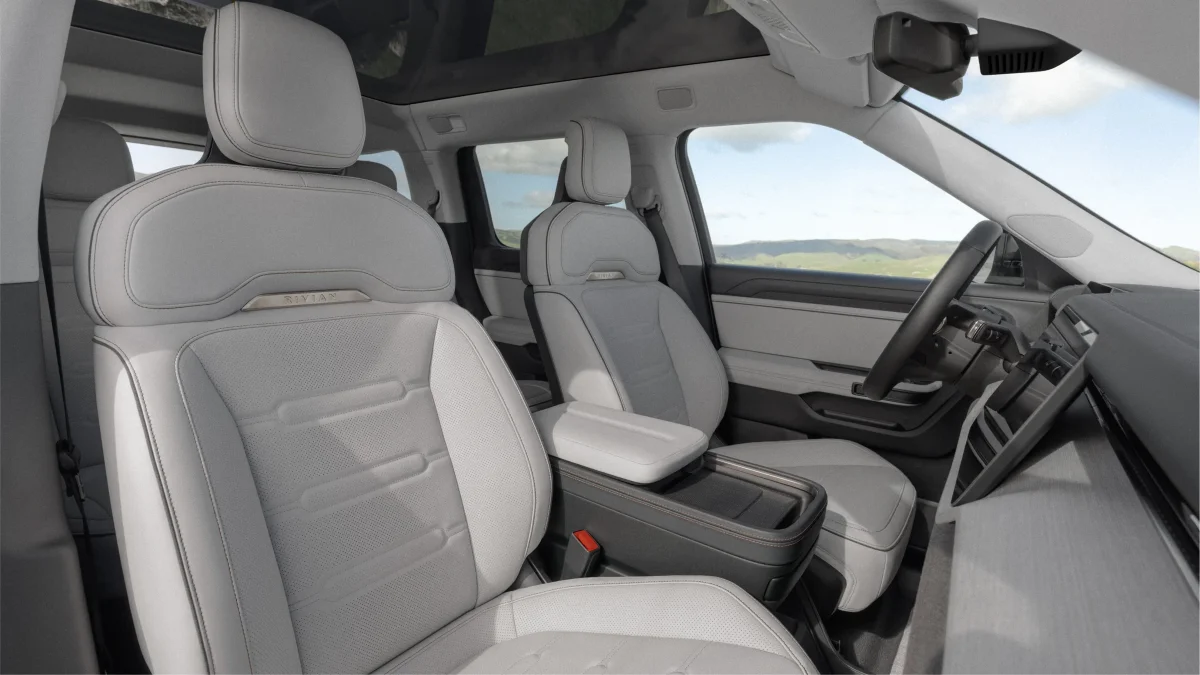
RJ Scaringe, Founder and CEO of Rivian, is optimistic about the tech stack powering this fleet. “The scale of Rivian's growing data flywheel coupled with RAP1, our state of the art in-house inference platform, and our multi-modal perception platform make us incredibly excited for the rapid advancement of Rivian autonomy over the next couple of years,” Scaringe said. Uber CEO Dara Khosrowshahi added that Rivian's vertical integration gives Uber "conviction to set these ambitious but achievable targets."
The R2 Lineup: From Consumer SUV to Robotaxi
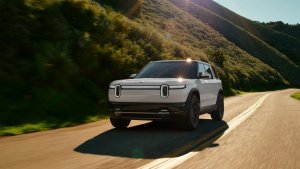
While the robotaxis are the long-term goal, Rivian is currently focused on delivering the consumer versions of the R2 to the first lucky customers. The R2 launch is critical for the company’s path to profitability.

If you're looking to buy one yourself, here is how the full R2 lineup is rolling out:
R2 Performance ($57,990): Arriving late Spring 2026. This dual-motor AWD flagship boasts 656 hp and a 3.6-second 0–60 mph time. It also features a "Drop Glass" rear window and a semi-active suspension.
R2 Premium ($53,990): Expected in late 2026. This trim offers 450 hp and a 4.6-second 0-60 mph time, though it skips the semi-active suspension.
R2 Standard Long Range ($48,490): The range leader with an estimated 345 miles of range, coming in early 2027.
R2 Standard ($45,000): We don’t know much about the most affordable base model other than that it is currently expected in late 2027.
If you’re still trying to decide which Rivian is right for you, check out our R2 vs. R1S buyer’s guide.
The Jump to Level 4 Autonomy
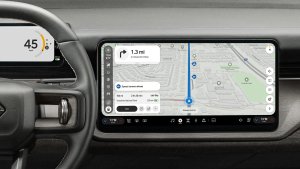
The R2 units meant for Uber will be a bit different from the early consumer models. While initial consumer R2s will use Rivian’s Gen 2 hardware, the company will pivot to Gen 3 hardware in late 2026. This next-gen suite includes LiDAR sensors and dual RAP1 chips capable of 1600 TOPS of AI compute.
This hardware is what Rivian hopes will enable true Level 4 autonomy — meaning the car can handle all driving tasks in specific conditions without any human intervention. By combining real-world data from its consumer fleet with these high-end sensors, Rivian is betting it can catch up to and eventually surpass current leaders in the space.
The partnership with Uber provides Rivian with both the capital and the platform to prove its tech at a massive scale. As we move closer to 2028, seeing an empty R2 pull up for your Uber ride might soon be the new normal.