Modern electric trucks and SUVs deliver sports car performance in packages that can weigh over 7,000 pounds. While having up to 1,025 horsepower on tap is thrilling for experienced owners, handing those keys to a novice driver is another story entirely.
Rivian is finally addressing that power gap on its vehicles. In a recent interview with The Drive, Rivian Chief Software Officer Wassym Bensaid shared fresh details on two long-awaited features: Teen Mode and Valet Mode. Both features are officially slated to arrive in early 2027 for the entire lineup, including the R1T pickup, R1S SUV, and recently launched R2 crossover.
Bensaid originally confirmed Teen and Valet Modes were coming in 2027 during a Reddit AMA earlier this spring. However, the features were initially announced back in 2022. Rivian had to delay Teen Mode and Valet Mode because its software team chose to rebuild the backend from the ground up, anchoring the features into an overhauled Cloud Profile and Digital Key architecture.
Teen Mode and How It Will Work
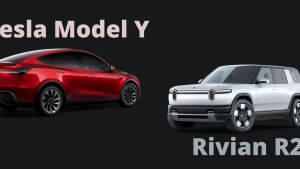
Bensaid didn’t reveal much about how Teen Mode will work during his AMA but did go into some detail during the latest interview. Much like Tesla’s Parental Controls suite that first came out in summer 2024, Rivian’s Teen Mode will give parents granular control over vehicle behavior when their kids are using it.
Because young drivers might try to bypass age verification, the system won’t rely solely on self-reported ages. Instead, parents will be able to configure teen profiles directly in the Rivian app, associating specific phone keys, key fobs, or physical keycards with restricted driving rules. “That’s the beauty with digital key, you can not get out of it unless you have a password,” Bensaid explained.
The interface will be similar to Rivian’s RAD Tuner, with sliders and toggles for “five to ten settings” that will allow parents to shape their kids’ experience with the vehicle, including:
Limiting total available horsepower so teenage drivers cannot access full output. Parents won’t be able to specify exactly how much horsepower the vehicle should be limited to, but they’ll be able to set a more general performance level.
Locking stability control to on, preventing drivers from turning traction control or other safety features off.
Completely disabling aggressive off-road drive modes like Drift or Rally.
When the assigned key approaches the vehicle, the restrictions will be applied before the driver even sits in the seat.
Valet Mode: Protecting Personal Data and Belongings
Arriving on the same foundation (and presumably at the same time), Valet Mode is tailored specifically for parking garages and commercial attendants.
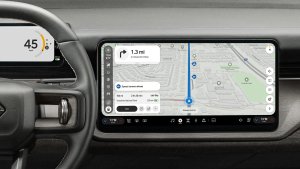
Beyond restricting vehicle speed to prevent joyrides, the mode will also act as a digital and physical privacy wall. Valet Mode will hide personal data like home and work navigation pins, call logs, and calendar schedules, and it will also physically lock down vehicle access points and storage spaces. “We will give you the optionality to lock some of the closures, don’t allow access to the front trunk, don’t allow access to the gloveboxes,” Bensaid noted.
While owners are understandably impatient for features they’ve been promised for years, taking extra development time to build these limits directly into individual digital keys means parents and owners will finally get reliable peace of mind when someone else takes the wheel.