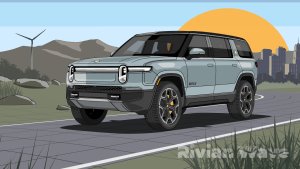
After years of anticipation, the Rivian R2 is finally approaching its official debut. The company recently offered a nostalgic look at where the midsize SUV began by sharing early design sketches on social media. "R2 was once just a collection of sketches by our design team. Coming Spring 2026," Rivian posted on X.
R2 was once just a collection of sketches by our design team. Coming Spring 2026. pic.twitter.com/saMlCeUbNd
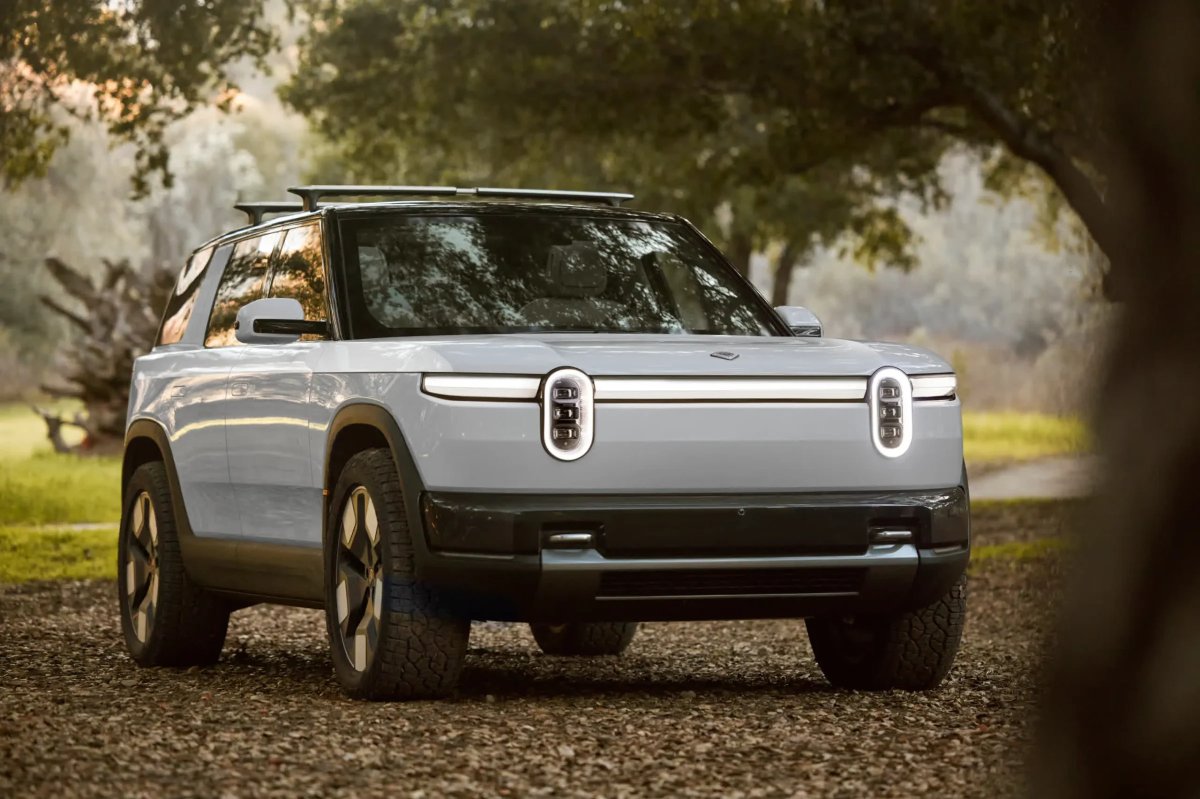
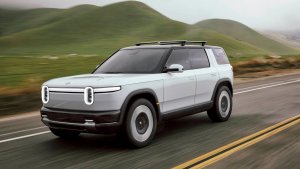
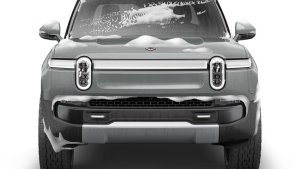
Comparing those early drawings to the final production units seen in recent media drives shows a design team that stayed remarkably true to its original vision. The R2 maintains the signature stadium headlights and clean lines that defined the sketches, though the final version looks a bit more rugged and ready for the real world.
The development process for the R2 has been a marathon. While Rivian has started organizing soft launches and small media events to drum up buzz, the SUV hasn't officially launched yet. We are still waiting for the big unveiling event on March 12, where Rivian is expected to drop all the final details on pricing, trim levels, and option packages.
For those who need a refresher, the R2 is built on an entirely new platform that is much lighter than its R1S sibling. Rivian is targeting a starting price of roughly $45,000 for the single-motor base model. The dual-motor, all-wheel drive Launch Edition — which Rivian has confirmed will be the first to roll off the production line — is expected to be a performance beast with an 87.4 kWh battery, putting out 656 horsepower and hitting 0-60 mph in just 3.5 seconds.
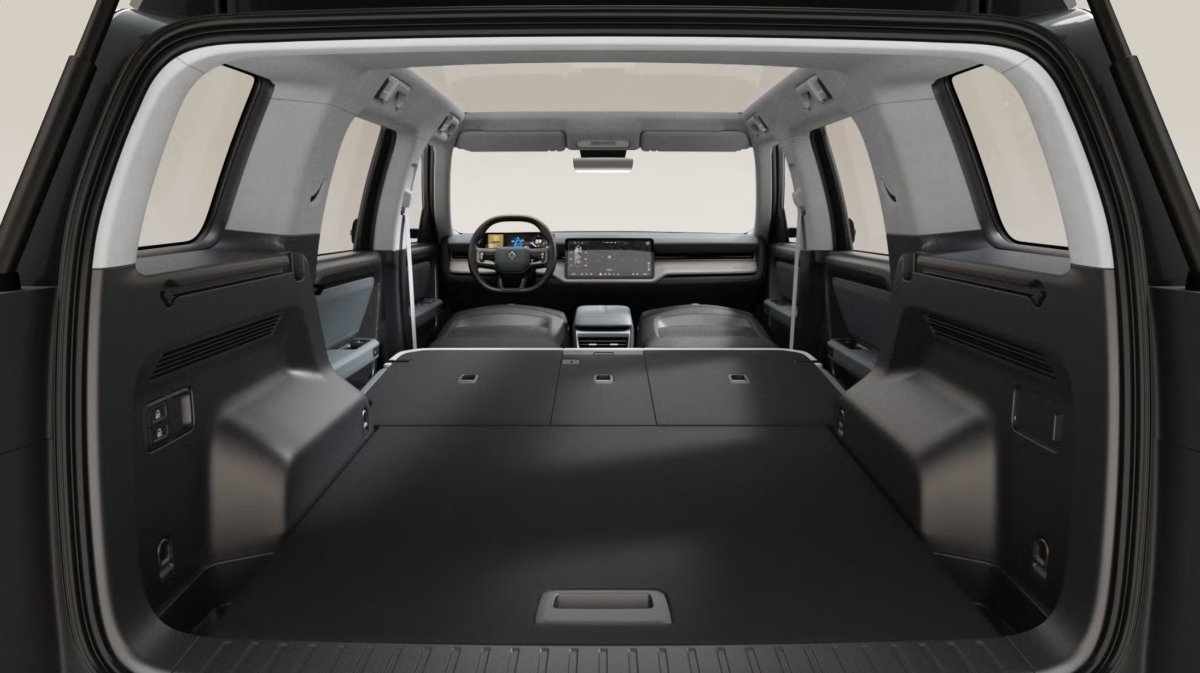
The R2 is also packed with an improved infotainment system and clever utility features like a rear window that rolls completely down into the tailgate and front seats that fold totally flat for car camping. It even features a native NACS charging port, meaning it will be ready to use Tesla's massive Supercharging network right out of the box.
While production in Illinois is slated to begin in mid-2026, the global rollout has hit a few snags. Canadian fans recently learned that their launch has been pushed to 2027, as Rivian focuses on making sure the U.S. launch goes perfectly first. European product pages for the R2, meanwhile, simply note that it is “Coming to Europe.”
The March 12 event will be the moment we finally see if the R2 can live up to the massive expectations set by those early sketches. Are you planning to place a reservation for the R2 once the full details are out, or are you holding out for the R3? Let us know in the comments.
Subscribe
Subscribe to our newsletter to stay up to date on the latest Rivian news, upcoming features and software updates.
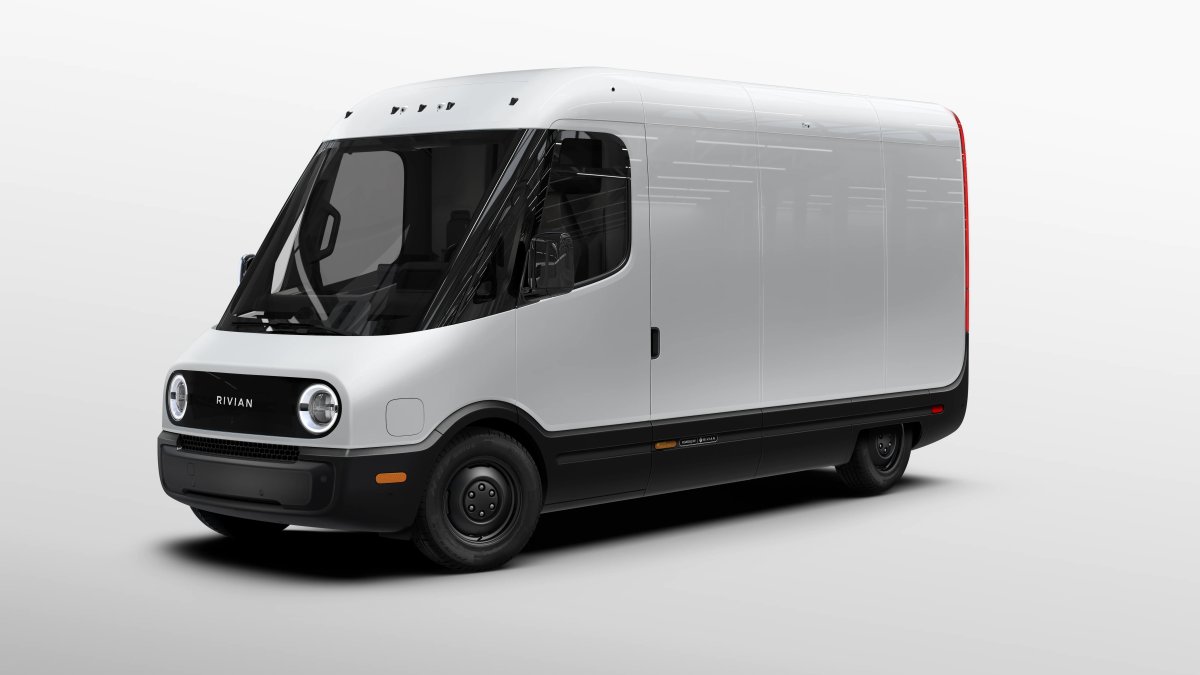
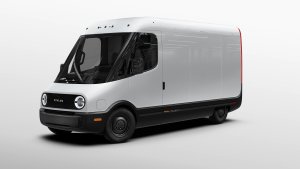
Rivian is giving its electric delivery van some much-needed love. The California-based automaker recently announced that its commercial workhorse is finally getting a significant upgrade, including a more capable battery and, for the first time, an all-wheel drive (AWD) option.
According to a report from InsideEVs, Rivian is working on a bigger battery pack and an AWD powertrain to help its van reach more remote areas and handle tougher weather conditions. Up until now, the Rivian Commercial Van (RCV) — as it was officially branded starting with the 2025 model year — has only been available with front-wheel drive and a single battery size.
While the current setup works for short local trips, the new, larger battery will reportedly offer a 30% increase in range. This should push real-world driving distance to over 200 miles, up from the current 161-mile estimate. Meanwhile, the addition of AWD will provide more power and better traction for drivers dealing with mud or snow.
Rivian’s electric van is currently available in two trims: RCV 500 and RCV 700. Both trims are powered by a 100 kWh battery pack and a single 320-horsepower motor. While that’s more than workable, delivery companies like Amazon, which has a massive deal with Rivian for 100,000 units, are looking to expand their electric fleets into more challenging environments.
This news comes at a perfect time for the startup. With Chevrolet recently discontinuing its BrightDrop van and Ford’s E-Transit facing its own hurdles, Rivian has a clear path to dominating the electric commercial market. Last year, the RCV topped the sales charts with over 13,000 units sold, far outpacing competitors from Mercedes-Benz and Ford.
Beyond its commercial success, Rivian is also gearing up for its biggest consumer launch yet with the R2 midsize SUV. Positioned as a direct competitor to the Tesla Model Y, the R2 is expected to start at a much more affordable price point of around $45,000, bringing Rivian’s adventure-ready tech to a wider audience.
As for the upgraded van, Rivian hasn't announced exactly when these new options will debut or how much the added range and AWD will cost.
What do you think of Rivian's new van updates? Would you trust an electric van to handle your deliveries in the snow? Let us know in the comments.
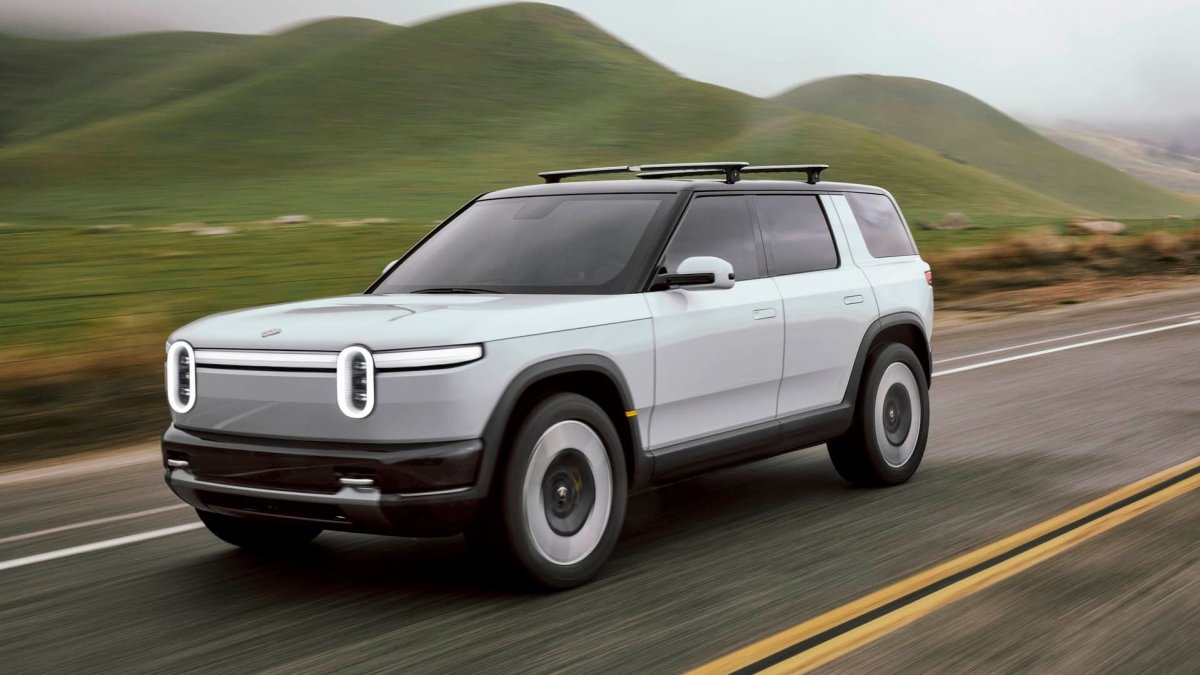
After months of anticipation, the Rivian R2 has finally hit the pavement. Recent media drives and soft-launch previews have given us our first tangible look at the midsize SUV that Rivian hopes will redefine the mass-market EV landscape.
While it looks remarkably similar to its larger sibling, the R1S, the R2 is built on an entirely new architecture. It is smaller, substantially lighter, and packed with thoughtful interior utility.
Let’s take a look at everything we’ve seen so far about the R2 as Rivian continues to gear up for volume production.
R2 Specs
The R2 is stepping into the highly competitive midsize crossover segment, directly competing with some of the best-selling vehicles in the world, including the Tesla Model Y and the Toyota RAV4.
By shifting from the R1’s heavy body-on-frame architecture to a new, simplified unibody platform, Rivian has shaved roughly 2,000 pounds off the vehicle’s weight. Those savings translate into a significant increase in efficiency and performance.
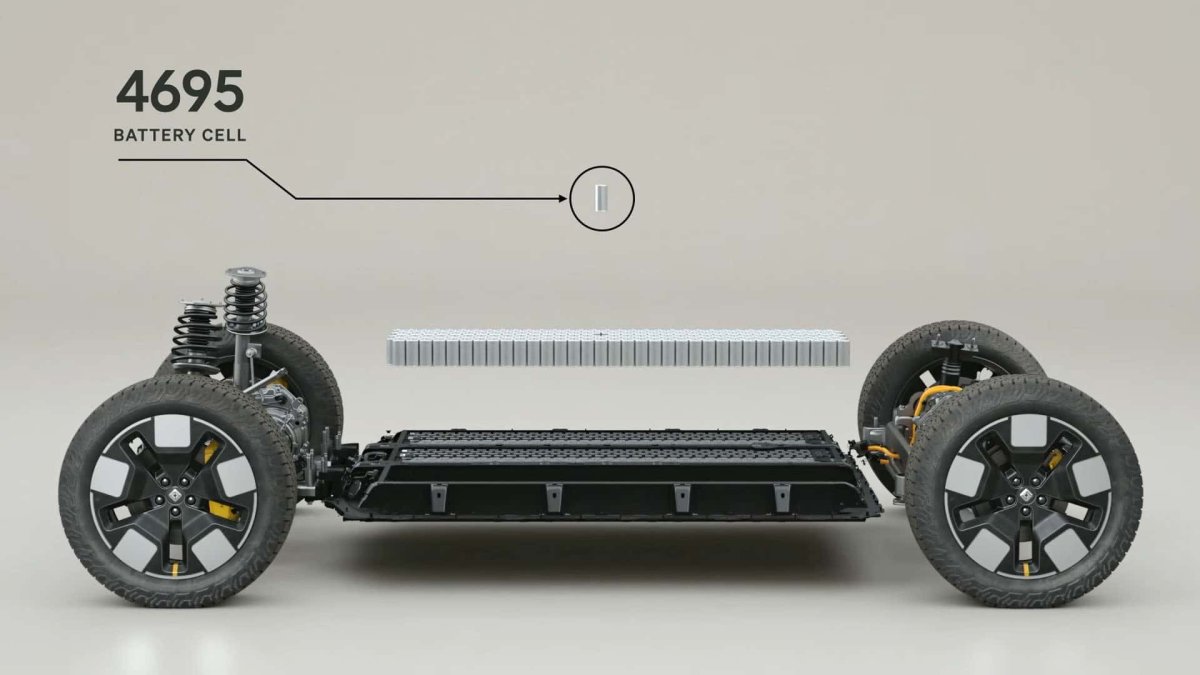
The launch-edition Dual-Motor AWD prototypes boast 656 horsepower, along with 609 lb-ft of torque. All of that is backed by a 400V architecture, with an 87.4kWh battery on Rivian’s new 4695 cell format, delivering 0-60 mph in just 3.5 seconds.
Rivian Wave
Of course, the future Tri-Motor variant is expected to drop the 0-60 down below 3 seconds for even more performance, but it will likely be some time before that actually arrives.
Charging is supported with a native NACS charge port, capable of charging from 10% to 80% SoC in approximately 30 minutes. While that charge rate isn’t industry-leading, it is comparable to that of its most direct competitor, the Model Y.
Just like the R1S and R1T, the R2 is designed as an adventure vehicle. That means a flat bottom, dedicated off-road driving modes, and a stock 9-6 inches of ground clearance, which is best-in-class. Rather than an air suspension, the R2 uses a simpler multi-link suspension that’s far easier to produce and less bouncy. If you want to take an EV off-road, the R2 will be a fantastic option, just like its bigger brothers.
Comparing it to the Model Y
For many shoppers, the Model Y Premium AWD is the primary competitor against the Rivian R2, so we’ve built a simple comparison table to help you look at both at a quick glance.
Specification
Rivian R2 (Dual-Motor Launch Edition)
Tesla Model Y (Premium AWD)
0–60 mph Acceleration
3.5 seconds
4.6 seconds
Power Output
656 hp / 609 lb-ft
~425 hp / 475 lb-ft
Estimated Range
300+ miles
327 miles
Dimensions (L x W x H)
185.6" x 75.0" x 66.9"
187.0" x 77.3" x 64.0"
Ground Clearance
9.6 inches
6.6 inches
Battery Pack
87.4 kWh (4695 Cylindrical Cells)
~81 kWh (2170/4680 Cells)
Native Charge Port
NACS
NACS
Global Rollout Pushed to 2027
While the massive R1S and R1T were purpose-built for wide American roads, the R2’s compact footprint - measuring 15 inches shorter and substantially narrower than the R1S - makes it Rivian’s first truly global vehicle. It is perfectly sized to navigate tighter European city streets and international parking infrastructure.
However, international fans will need some patience. Following recent updates to Rivian's international websites, the Canadian Launch has been officially pushed back from 2026 to 2027. Meanwhile, the European pages have had the original 2027 date scrubbed, replaced with a “Coming to Europe” sign-up page.
This suggests Rivian is heavily prioritizing a successful, high-volume U.S. launch before tackling the complexities of overseas logistics and European regulatory compliance.
Interior & Utility
Rivian has always excelled at creating spaces that feel both premium yet incredibly utilitarian. The R2 cabin introduces several features that prove that they’ve been closely listening to customer feedback.
Replacing the countless physical buttons that plague legacy automotive systems, but not going all the way to 100% touchscreens, Rivian has built two large, tactile scroll wheels into its steering wheel. These new halo wheels have haptic controls with dynamic feedback, letting you navigate the R2’s interface with physical buttons - no need to take your eyes off the road to tap a screen or find a particular cabin button. You can check out MKBHD’s review of the R2’s halo wheels below:
The rear hatch glass can be electronically lowered completely into the tailgate, allowing for a relatively open-air experience in the cabin. While the rear-quarter windows no longer pop out like the initial prototypes, the access to fresh air with the rear glass down is still fantastic
One of the features from the early prototypes that did make it is the fold-flat front and rear seats. Because the R2 is a much smaller vehicle, there isn’t as much room to sleep inside when you’re out adventuring. Because both rows of seats fold flat, there’s still plenty of space to lay out an air mattress and sleep inside.
Rivian Wave
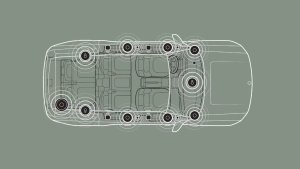
Rivian has also brought back a lot of interior storage space. The glovebox is back, split into two separate, independent compartments. The door card speakers have also been moved into the footwells, freeing up space to store large water bottles or personal items within easy reach.
Pricing & Production Timelines
The most crucial number attached to the R2 isn’t its horsepower or 0-60 time; it is the price tag. Rivian is still officially targeting a starting price of $45,000 for the base single-motor variant.
According to the latest Q4 Earnings Call, production is slated to kick off in Q2 2026 at Rivian’s factory in Normal, Illinois. While it will take some time to scale the assembly lines, RJ expects to deliver between 20,000 and 25,000 R2s before the end of 2025, with one shift running.
In the future, additional shifts will be added to the R2 line to meet demand as more trims roll out. Early reservation holders should expect that the more expensive Dual-Motor Launch Edition trims, likely priced between the high $50,000 and low $60,000 range, will be the first vehicles to roll off the line.
As with previous Launch Editions, these trims will include all features available at launch, but will not include the upcoming R2 model with LiDAR. If autonomy is one of the things you want out of your R2, it may be best to wait until the LiDAR version launches in early 2027.