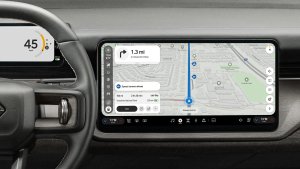
Navigating to a Supercharger in a non-Tesla electric vehicle is about to get a whole lot more predictable. A new Google Maps feature rolling out right now is bringing intelligent data modeling and stall availability forecasting to third-party EV screens, making it much easier to plan road trips without arriving at a completely full station.
Predictive Data for Built-In Mapping
Tesla said in an official announcement on X: "Forecasted stall availability is rolling out globally to eligible EVs with Google Maps built-in. This feature lets EV drivers know predicted Supercharger availability ahead of time. Opt in to access predictions and help optimize charging for all drivers."
This rollout marks another step up in the EV space for Google’s mapping service. Google Maps previously added live availability for Tesla Superchargers last fall, followed by the more recent rollout of AI-powered trip routing for EVs.
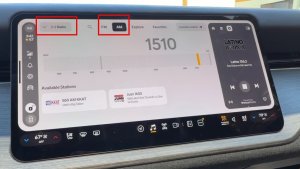
The new forecasted availability status appears as an "On arrival" line item directly beneath the live plug count. This option isn’t available by default. To unlock the prediction, a prompt tells the user to share trip and usage data with Tesla in the Google Maps settings. Once enabled, the interface tells you how many open stalls are expected to be waiting for you when you reach the charger.
Optimizing the Global Charging Grid
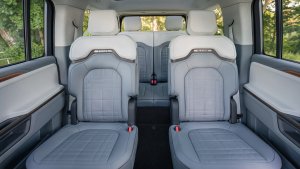
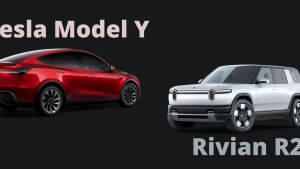
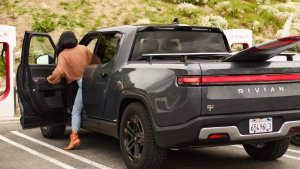
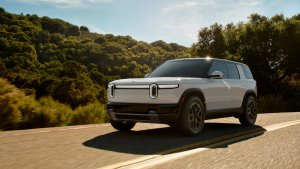
This software addition primarily benefits non-Tesla EV owners driving cars with Google Maps-powered navigation, such as Rivian models. If you drive a Tesla, your native navigation system already offers both live and forecasted Supercharger stall availability. However, this update will still give a helpful information boost to any Tesla owners who use the Google Maps app on their smartphones while traveling.

The backend data exchange here is particularly clever. Tesla can easily predict charger availability for its own customers because it knows exactly how many vehicles are currently routing to a specific location. By encouraging third-party EV drivers to opt in and share their data with Tesla through Google Maps, a new data funnel is created. This could give Tesla access to routing information for other EVs as well, making charger availability updates much more accurate for everyone.
Managing congestion is more vital than ever now that the Supercharger network is open to other brands. Tesla boasts the largest fast-charging layout on Earth, recently passing 80,000 Supercharger stalls worldwide. They originally introduced AI-powered Supercharger forecasting for their own cars back in April to cut down on wait times, and Tesla is now also testing a long-awaited virtual queuing feature at some of its busiest Superchargers. Sharing these data streams across platforms ensures that, as Supercharger compatibility and the network as a whole expand, lines remain as short as possible.