As the generational Rivian R1 platform matures and the R2 mass-market model begins arriving in customer hands, legacy configurations are being pruned to preserve margins and brand identity. To this end, Rivian has officially retired the smaller, Dual Standard battery configuration for both the R1T and the R1S.
Moving forward, customers will need to choose between the Dual Large and Dual Max variants.
Mixed LFP Performance
Unlike the remainder of the premium R1 lineup, which utilizes nickel-based cells, the Dual Standard variant was built around Lithium Iron Phosphate (LFP) chemistry. While LFP chemistry offers thermal stability and a highly resilient lifecycle suitable for lower-cost vehicles, it includes drawbacks in energy density and cold-weather performance.
With the R1 being marketed as an uncompromised overlanding and adventure platform, the LFP Standard pack was a performance anomaly in the lineup. The configuration suffered from poor charging curves compared to the larger packs.
By removing the sole LFP option from its flagship, Rivian eliminates an outlier. This reinforces the identity of the R1S and R1T as the top-end luxury offerings with fast charging and range combined.
Clearing the Field for R2
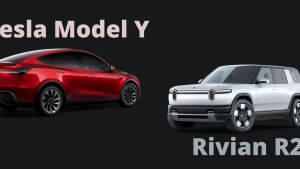
With the R2 finally arriving in customers' hands over the last few weeks, Rivian has had to adjust the lineup to ensure sufficient pricing headroom for the R2 Launch Edition and R2 Performance. The R2 is engineered to capture a highly competitive, mass-market price point, with these two premium variants leading the way.
Had the R1 Dual Standard remained in production, it would have narrowed the band between the two vehicle platforms. The R1 Standard would awkwardly intersect with the R2 Performance’s pricing, but would be outmatched in pure capability in charging, range, and acceleration.
Removing the lowest-tier R1 pack increases the buffer between the two platforms, so customers who want an R1 aren’t driven to a slightly cheaper R2 option instead, cannibalizing the R1’s premium margins.
Optimizing for Production
Finally, this consolidation simplifies manufacturing at Rivian's Normal, Illinois assembly plant. Managing multiple battery chemistries and pack assemblies on a single production line introduces complexity and inflates supply chain overhead.
Cutting the odd pack out will streamline Rivian’s logistics pipeline and simplify production on the older R1 line as R2 continues to ramp up.